In a world where beauty often feels synonymous with excess, ethical beauty products are like a refreshing splash of cold water on a hot summer day. They promise not just to enhance appearance but also to make you feel like a superhero for the planet. Imagine slathering on a moisturizer that’s as good for your skin as it is for Mother Earth. Sounds dreamy, right?
Overview of Ethical Beauty Products
Ethical beauty products prioritize environmental sustainability and humane practices. Consumers increasingly seek alternatives that align with their values, contributing to a more conscious beauty industry. Many brands focus on cruelty-free practices, ensuring that no animals suffer during product testing.
Transparency remains a crucial element in ethical beauty. Companies reveal ingredient sourcing and manufacturing processes, fostering trust with consumers. Natural and organic ingredients often replace synthetic ones, minimizing environmental impact. Biodegradable packaging has also become a common feature, reducing waste in landfills.
Certifications enhance credibility for ethical beauty products. Recognized labels, such as Leaping Bunny and USDA Organic, signify adherence to strict ethical standards. These certifications help consumers identify products that reflect their values easily.
Local sourcing supports community economies and reduces carbon footprints. Many ethical beauty brands collaborate with local suppliers to ensure fresh ingredients. This practice not only boosts local economies but also enhances product quality.
Mindfulness drives the production of ethical beauty products. Many brands engage in sustainable practices, such as using renewable energy during manufacturing. Responsible sourcing of ingredients also ensures minimal environmental disruption.
Affordable options exist within the ethical beauty sector. Various brands aim to make these products accessible to a wider audience, prioritizing inclusivity alongside sustainability. This approach allows more consumers to participate in the ethical movement.
A growing number of ethical beauty brands incorporate social responsibility into their business models. Initiatives may include fair wages for workers and contributions to environmental causes. These actions foster a positive reputation and encourage loyalty among consumers who value corporate responsibility.
Benefits of Using Ethical Beauty Products
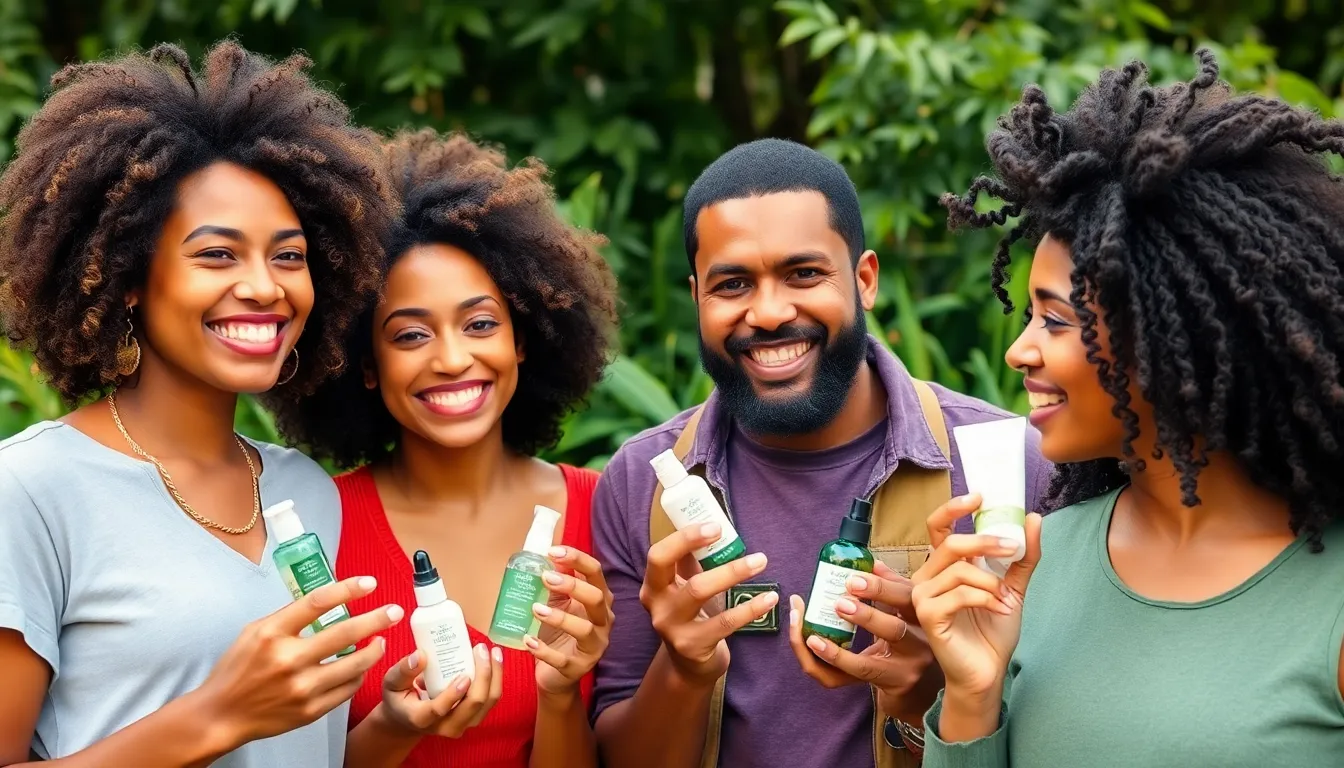
Using ethical beauty products provides numerous advantages. Individuals support sustainability and promote responsible consumerism through their choices.
Environmental Impact
Ethical beauty products significantly reduce environmental harm. Many brands use natural or organic ingredients instead of synthetic chemicals, enhancing ecosystem health. Sustainable sourcing practices minimize resources and limit carbon footprints. Biodegradable packaging contributes to waste reduction, decreasing pollution. Certifications like USDA Organic help consumers easily identify environmentally friendly options. Local sourcing connects brands with communities, strengthening economies while lowering transportation emissions.
Animal Welfare
Ethical beauty products prioritize animal welfare, assuring consumers that no animals are harmed during testing or production. Cruelty-free certifications ensure brands do not conduct tests on animals, providing peace of mind. Many companies commit to transparent ingredient sourcing, allowing consumers to align purchases with their values. Products featuring natural ingredients often pose fewer risks to animal populations and promote healthier ecosystems. Supporting ethical brands nurtures positive consumer relationships and bolsters animal rights organizations. Engaging with these products fosters a compassionate beauty industry that values welfare.
Key Ingredients to Look For
Choosing ethical beauty products involves understanding key ingredients that support sustainability and animal welfare. Consumers benefit from knowing which elements are crucial for making responsible choices.
Sustainable Sourcing
Sustainable sourcing refers to the practice of acquiring ingredients from environmentally responsible suppliers. Brands utilize methods that minimize ecological impact, such as regenerative agriculture and fair trade. These practices not only reduce harm to ecosystems but also empower communities involved in farming. Transparency about ingredient origins helps consumers make informed decisions. Many ethical beauty brands provide details on how ingredients are cultivated and processed. This commitment to sustainability fosters trust and encourages loyalty among eco-conscious consumers.
Cruelty-Free Certifications
Cruelty-free certifications guarantee that no animals were harmed during testing or production phases. Recognized labels like Leaping Bunny and PETA’s Beauty Without Bunnies help consumers identify products aligning with animal welfare values. Brands seeking these certifications must undergo rigorous assessments to verify cruelty-free claims. Detailed documentation is often shared, assuring shoppers of the ethical practices employed. Supporting cruelty-free brands contributes to the broader movement against animal testing. Awareness of these certifications empowers consumers to choose products that reflect compassion and ethical responsibility.
Popular Brands to Consider
Numerous brands are making significant strides in ethical beauty, combining quality with sustainability. Consumers benefit from the range of options available, from established brands to newcomers.
Established Brands
Renowned brands like Burt’s Bees utilize natural ingredients in their products. They commit to cruelty-free practices and offer biodegradable packaging. Lush, another established name, emphasizes transparency by disclosing sourcing practices. Their commitment to fresh, handmade products aligns with sustainability values. Tarte Cosmetics incorporates eco-conscious materials into their packaging while offering vegan options across their range. These brands consistently uphold high ethical standards, ensuring consumers can trust their purchases.
Emerging Brands
Innovative companies are rising within the ethical beauty space, reflecting a shift toward sustainability. Youth to the People champions the use of superfood ingredients while prioritizing cruelty-free formulas and recyclable packaging. Ethique produces solid beauty bars, eliminating plastic waste entirely from their product line. Another notable mention is 100% Pure, which specializes in skincare formulated with organic, plant-based ingredients. Their emphasis on ethical sourcing resonates with environmentally-conscious consumers embracing new alternatives.
Tips for Choosing Ethical Beauty Products
Understanding the essentials of ethical beauty products can significantly influence purchasing decisions. Research brands thoroughly to assess their commitments to sustainability. Investigate ingredient sourcing and ensure that companies prioritize transparency throughout their supply chains. Look for certifications like Leaping Bunny or USDA Organic as indicators of ethical practices.
Seek products with natural or organic ingredients to reduce environmental impact. Choose brands that utilize biodegradable packaging to minimize waste in landfills. Supporting local businesses often results in lower carbon footprints and benefits community economies.
Examine product labels for cruelty-free assertions to guarantee that no animals suffered during testing. Recognizing common ethical certifications makes it easier to identify brands that align with personal values. Focus on companies that embrace fair trade practices, empowering farmers while ensuring quality products.
Evaluate pricing options, as many ethical beauty products are available at various price points. Accessibility should be a priority, enabling a wider audience to embrace sustainable alternatives. Investigate emerging brands that demonstrate innovation and commitment to eco-friendly practices, as they often create unique solutions and more choices for consumers.
Engage with community feedback on social media or beauty forums. Gathering insights from other users can provide honest perspectives about product effectiveness and brand ethics. Make informed choices that not only enhance beauty but also nurture the planet and support humane practices.
Choosing ethical beauty products isn’t just a trend; it’s a commitment to a more sustainable and compassionate world. By prioritizing brands that uphold humane practices and environmental responsibility, consumers can feel empowered in their choices. The beauty industry is evolving, and ethical brands are leading the charge towards transparency and sustainability.
As individuals seek to align their values with their purchases, the impact of ethical beauty products extends beyond personal beauty routines. It fosters a community that values kindness to both the planet and its inhabitants. With numerous options available, making informed decisions can create a ripple effect, encouraging more brands to adopt ethical practices and ultimately transforming the beauty landscape for the better.