In a world where the climate is changing faster than a cat can knock over a glass of water, sustainable living builders are stepping up to the plate like eco-friendly superheroes. They’re not just constructing homes; they’re crafting a greener future, one bamboo beam at a time. Imagine a house that doesn’t just shelter you but also hugs Mother Earth—sounds dreamy, right?
Overview of Sustainable Living Builders
Sustainable living builders focus on constructing homes that minimize environmental impact. They prioritize eco-friendly materials such as bamboo, recycled steel, and reclaimed wood. Innovative designs enhance energy efficiency, making homes reduce utility costs while promoting comfort. These builders often incorporate renewable energy sources like solar panels and wind turbines into their projects.
Many sustainable living builders emphasize the importance of water conservation through efficient plumbing systems and rainwater harvesting. Green roofs and living walls contribute to better air quality and promote biodiversity in urban areas. Prioritization of local resources reduces transportation emissions and supports community economies.
Collaboration with architects and designers ensures these homes meet both aesthetic and functional goals. Sustainable builders frequently engage with clients to create customized living spaces reflecting personal values and environmental commitments. They also educate homeowners on sustainable practices, promoting a lifestyle that extends beyond the home.
Certification programs, like LEED and Passive House, validate the efforts of sustainable living builders. Achieving these certifications involves meeting rigorous standards for energy efficiency and environmental friendliness. As awareness of climate change grows, these builders play a crucial role in shaping a sustainable future.
Key Principles of Sustainable Building
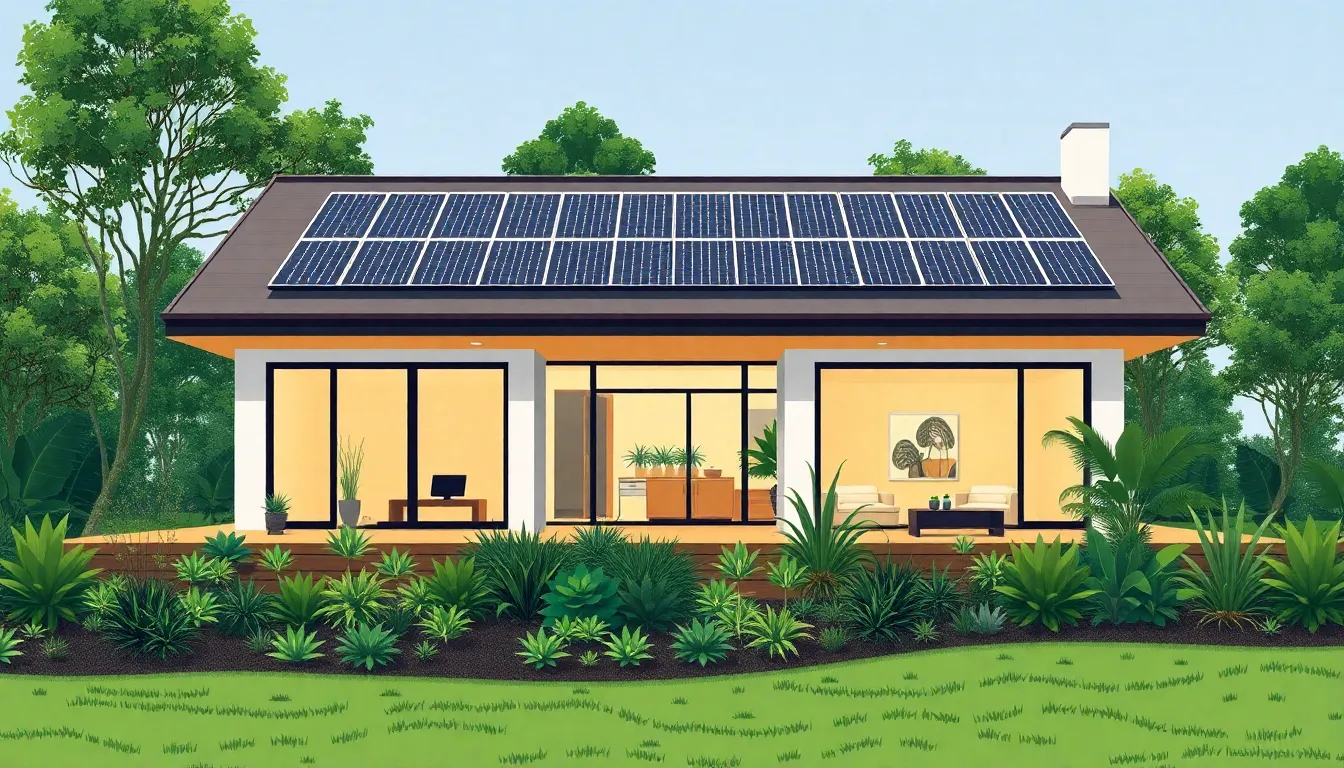
Sustainable building revolves around essential principles focused on minimizing environmental impact. This approach incorporates energy efficiency and the use of sustainable materials.
Energy Efficiency Practices
Energy efficiency stands as a cornerstone of sustainable building. Builders routinely incorporate high-performance insulation and energy-efficient windows, minimizing heat loss and enhancing comfort. They design homes with optimal orientation, allowing for natural light and heat from the sun. Renewables like solar panels play a significant role, generating clean energy and reducing reliance on fossil fuels. Smart home technology often integrates with energy systems, enabling homeowners to monitor and manage consumption. Water-saving fixtures further contribute by lowering usage and utility costs.
Sustainable Materials
Sustainable materials contribute to eco-friendliness and longevity. Builders commonly utilize bamboo due to its rapid growth and renewability. Recycled steel offers durability while minimizing waste in landfills. Reclaimed wood, sourced from old structures, provides character and reduces the need for new lumber. These materials often contain fewer toxins, promoting better indoor air quality. Additionally, builders select low-VOC paints and finishes, ensuring healthier environments. Utilizing these resources not only supports sustainability but also encourages responsible consumption.
Benefits of Working with Sustainable Living Builders
Sustainable living builders offer significant advantages that extend beyond traditional construction. Their focus on eco-friendly practices leads to numerous benefits for homeowners and the environment alike.
Environmental Impact
Sustainable living builders prioritize eco-friendly practices that minimize environmental harm. They select materials like bamboo and reclaimed wood, reducing reliance on virgin resources. Incorporating renewable energy sources, such as solar panels, results in a decreased carbon footprint. Builders also design homes with energy-efficient systems, decreasing energy consumption and promoting conservation. Improved indoor air quality emerges through the use of low-VOC paints and finishes, contributing to healthier living spaces. Enhanced urban biodiversity occurs through features like green roofs and living walls, supporting local ecosystems. Each of these elements collectively contributes to the overall positive impact on the environment.
Cost Savings
Sustainable living builders enable homeowners to experience significant cost savings over time. Energy-efficient designs lead to lower utility bills, as smart technology monitors and optimizes consumption. Renewable energy installations, such as solar panels, provide long-term savings by reducing dependency on traditional energy sources. Effective water conservation strategies, including efficient plumbing systems and rainwater harvesting, further decrease monthly expenses. Over the lifespan of a home, minimizing maintenance costs becomes achievable by utilizing durable, sustainable materials. As a result, these financial benefits align with environmental goals, showcasing the holistic advantages of sustainable building practices.
Notable Sustainable Living Builders
EcoCraft Homes emphasizes eco-friendly construction using sustainable materials. This builder focuses on creating energy-efficient homes to lower utility costs. Their projects showcase features like solar panels, rainwater harvesting systems, and advanced insulation techniques.
Green Building Group promotes the use of reclaimed materials in residential construction. They design homes to integrate renewable energy sources, enhancing overall efficiency. Commitment to water conservation is evident in their efficient plumbing systems and drought-tolerant landscaping.
Sustainable Structures specializes in custom-built homes tailored to individual client needs. Their emphasis on passive solar design maximizes natural light and reduces heating requirements. Collaboration with architects allows them to create aesthetically pleasing, functional living spaces.
Earth-Friendly Builders utilizes eco-conscious practices throughout their construction process. From low-VOC materials to energy-efficient appliances, they ensure a healthy indoor environment. Efforts to educate homeowners on green practices extend beyond construction, fostering sustainable lifestyles.
Honeycomb Builders focuses on urban development with sustainable strategies. Their designs often include green roofs and living walls that promote biodiversity. By prioritizing local sourcing, they support the economy while minimizing carbon footprints.
Each of these builders demonstrates a commitment to sustainable living through innovative construction and design methods. Emphasis on energy efficiency and eco-friendly practices sets them apart in the industry. Their work contributes to a growing movement for sustainable housing solutions, reflecting an understanding of environmental impacts and community needs.
How to Choose the Right Builder for Your Project
Identifying the right sustainable living builder involves several key factors. Start by researching builders with experience in eco-friendly construction. Look for portfolios that showcase previous projects, emphasizing their approach to sustainability.
Assess builder qualifications next. Verify certifications such as LEED or Passive House, which demonstrate commitment to green building standards. Engage in conversations about their building practices to gauge their knowledge and dedication.
Request references from past clients. Speaking with homeowners allows insight into their satisfaction and the overall experience. Satisfied clients often indicate reliable, knowledgeable builders.
Consider communication style when choosing a builder. The ideal builder collaborates effectively, prioritizing the homeowner’s vision while sharing expertise in sustainable practices. Open channels improve project outcomes and align expectations.
Evaluate the materials used by the builder. Sustainable living builders should prioritize eco-friendly, durable materials like bamboo, reclaimed wood, and recycled steel. Ensuring the use of low-VOC paints and finishes also promotes healthier indoor environments.
Review energy-efficient design features offered by the builder. Solutions might include high-performance insulation, energy-efficient windows, or renewable energy sources like solar panels. These features enhance energy efficiency and long-term cost savings.
Discuss project timelines and budgets clearly. The right builder sets realistic timelines, avoids unexpected delays, and provides transparent estimates. Ensuring financial alignment and timeframes reduces stress throughout the building process.
Sustainable living builders are paving the way for a greener future by creating homes that harmonize with the environment. Their innovative designs and use of eco-friendly materials reflect a commitment to sustainability that benefits both homeowners and the planet.
By prioritizing energy efficiency and incorporating renewable energy sources, these builders not only reduce utility costs but also enhance the quality of life for residents. Their dedication to educating clients on sustainable practices fosters a lifestyle that extends beyond the walls of the home.
As the demand for eco-friendly living continues to grow, partnering with sustainable builders becomes an essential step toward achieving a more sustainable and resilient future.