In a world where the air sometimes feels thicker than a bowl of oatmeal, zero emission vehicles (ZEVs) are the superheroes we didn’t know we needed. Imagine cruising down the highway, the only sound being the gentle hum of your eco-friendly ride, while Mother Nature gives you a thumbs-up from the sidelines. It’s not just a dream—it’s the future of transportation, and it’s electric!
These innovative vehicles are more than just a trend; they’re a ticket to cleaner air and a healthier planet. With advancements in technology, ZEVs are proving that going green doesn’t mean sacrificing style or performance. So buckle up and get ready to discover how these silent warriors are revolutionizing the way we drive, one emission-free mile at a time. Who knew saving the planet could be this much fun?
Overview of Zero Emission Vehicles
Zero emission vehicles (ZEVs) produce no tailpipe emissions, significantly reducing air pollution. Electric vehicles and hydrogen fuel cell vehicles fall under this category. These technologies leverage renewable energy sources, contributing to cleaner energy systems.
Manufacturers are increasingly investing in ZEV technology, with several automakers committing to 100% zero-emission lineups by 2030. In 2022, global sales of electric vehicles surpassed 10 million, indicating a strong market shift towards ZEV adoption. Significant advancements in battery technology have improved driving ranges, making ZEVs more practical for everyday use.
Government policies play a crucial role in promoting ZEV usage. Incentives, such as tax credits and rebates, encourage consumers to choose electric options. Cities are implementing regulations aimed at phasing out fossil fuel vehicles, further bolstering ZEV adoption.
The environmental benefits of zero emission vehicles extend beyond reduced greenhouse gases. ZEVs also minimize noise pollution, enhancing urban living conditions. As charging infrastructure expands, access to ZEVs increases, supporting widespread acceptance.
Furthermore, ZEVs contribute to energy independence by reducing reliance on imported oil. Many regions are investing in renewable energy to power their electric grids, creating a sustainable energy cycle. Collaboration among governments, manufacturers, and consumers fosters innovation in zero-emission technology.
Collectively, these elements underscore the transition towards ZEVs as a pivotal aspect of modern transportation ecosystems. Zero emission vehicles not only offer benefits for the environment but also enhance technological advancement and economic growth.
Types of Zero Emission Vehicles
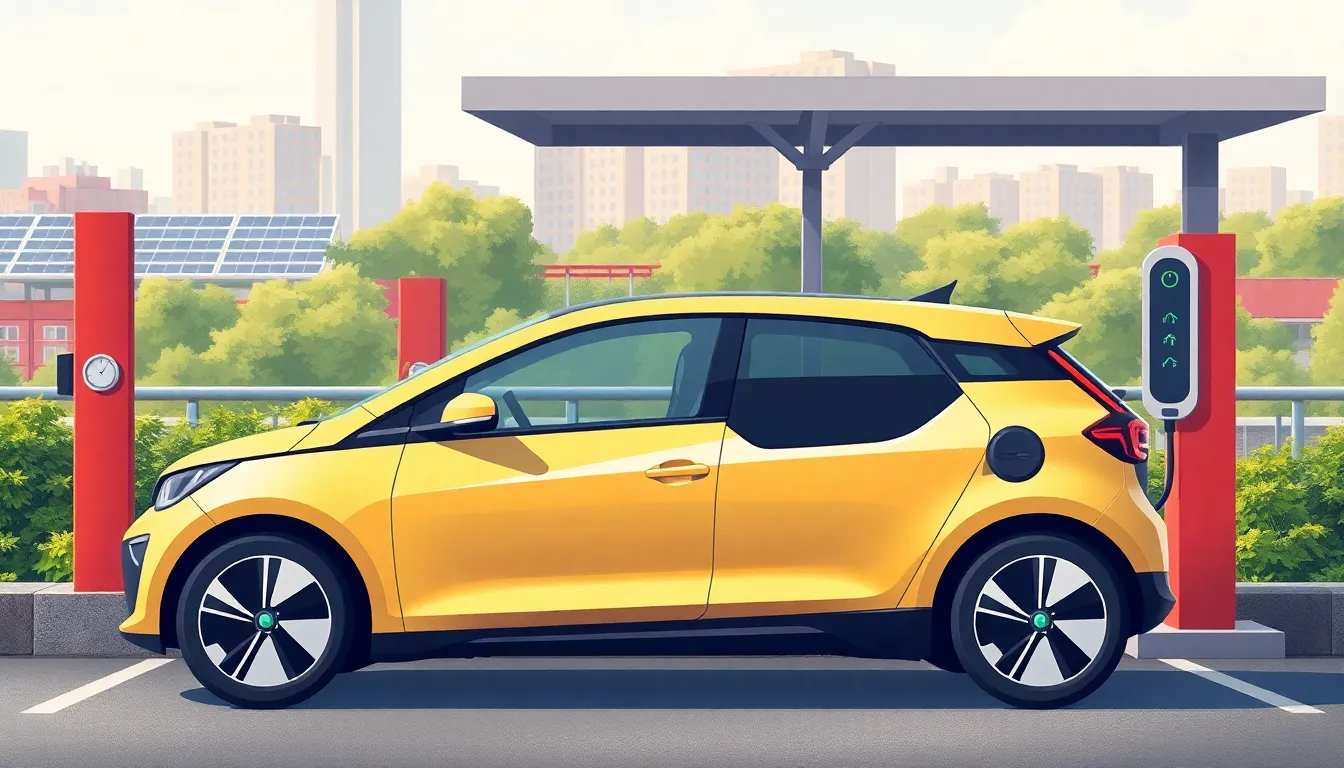
Zero emission vehicles encompass various innovative technologies that aim for sustainable transportation methods. Two primary types include battery electric vehicles and hydrogen fuel cell vehicles.
Battery Electric Vehicles
Battery electric vehicles (BEVs) utilize rechargeable batteries to store and power electric motors. BEVs produce zero tailpipe emissions, enhancing urban air quality. Many manufacturers offer models with driving ranges exceeding 300 miles on a single charge, appealing to eco-conscious drivers. Charging infrastructure is continuously expanding, with over 41,000 public charging stations across the U.S. as of 2023. Development in battery technology enhances performance, allowing for faster charging times and improved efficiency. Notably, the popularity of BEVs surged, contributing significantly to the 10 million global electric vehicle sales achieved in 2022.
Hydrogen Fuel Cell Vehicles
Hydrogen fuel cell vehicles (FCVs) operate by converting hydrogen gas into electricity, emitting only water vapor as a byproduct. FCVs provide a convenient refueling experience, often taking under five minutes to fill a tank. Their driving range typically matches gasoline counterparts, offering ranges of up to 400 miles. A key advantage lies in the ability to generate power from renewable hydrogen sources, further promoting sustainability. As of 2023, hydrogen production pathways expand, including electrolysis, which uses renewable energy for cleaner hydrogen generation. Automakers are increasingly investing in FCV technology, signaling a commitment to diverse zero-emission vehicle options.
Benefits of Zero Emission Vehicles
Zero emission vehicles offer numerous advantages that significantly contribute to a healthier planet and more sustainable economy.
Environmental Impact
ZEVs play a crucial role in reducing air pollution, contributing zero tailpipe emissions. Electric vehicles and hydrogen fuel cell vehicles use renewable energy sources, helping to lower carbon footprints. Furthermore, ZEVs help minimize greenhouse gas emissions, supporting global efforts to combat climate change. Urban areas experience enhanced air quality and reduced noise pollution, creating healthier environments for residents. Studies show that a widespread shift to ZEVs can lead to a substantial decrease in harmful pollutants, improving overall public health and living conditions.
Economic Advantages
ZEV infrastructure investment stimulates economic growth, creating jobs across multiple sectors. Electric vehicle sales exceeded 10 million globally in 2022, showing consumer demand for cleaner options. Tax credits and rebates boost ZEV adoption, making these vehicles financially appealing. Additionally, ZEV technology developments drive innovation, fostering competitive markets. Regions investing in renewable energy can strengthen energy independence, reducing reliance on fossil fuels and enhancing local economies. Overall, the transition to ZEVs represents a strategic move toward sustainable economic practices.
Challenges Facing Zero Emission Vehicles
Zero emission vehicles face various challenges that hinder their widespread adoption. Key issues include infrastructure development and consumer adoption.
Infrastructure Development
Adequate charging and refueling infrastructure remains a significant hurdle for zero emission vehicles. Over 41,000 public charging stations in the U.S. signal progress, yet more locations are needed to meet increasing demand. Accessibility varies across urban, suburban, and rural areas, creating disparities in service. Fast charging stations must multiply to reduce charging times; this factor influences potential buyers. Moreover, hydrogen refueling stations are limited, impacting hydrogen fuel cell vehicle availability. Public-private partnerships can facilitate infrastructure investments, ensuring a comprehensive network supports growth.
Consumer Adoption
Consumer adoption challenges persist due to factors like cost and awareness. Despite tax incentives making zero emission vehicles more appealing, initial purchase prices often deter buyers. Education on ZEV benefits can influence customer decisions, as many remain unaware of the long-term savings associated with these vehicles. Perceived range anxiety limits interest, even with battery advancements providing driving ranges exceeding 300 miles. Moreover, traditional vehicle loyalty plays a role in consumer hesitation. To encourage adoption, manufacturers and governments should improve marketing strategies, highlighting the practicality and environmental advantages of zero emission vehicles.
Future of Zero Emission Vehicles
Technological advancements continue to shape the future of zero emission vehicles (ZEVs). Experts predict rapid growth in electric and hydrogen fuel cell vehicles, driven by enhanced efficiency and affordability. In 2022, the global sales of electric vehicles exceeded 10 million units, demonstrating a substantial shift towards cleaner transportation. Battery electric vehicles (BEVs) now offer driving ranges over 300 miles. Meanwhile, hydrogen fuel cell vehicles (FCVs) achieve maximum ranges of up to 400 miles.
Charging stations are expanding across the United States, with over 41,000 public stations available as of 2023. Increasing infrastructure support plays a critical role in alleviating concerns about range anxiety among potential owners. Governments incentivize ZEV adoption through tax credits and rebates, encouraging buyers to consider long-term economic benefits. Cities implement regulations to phase out fossil fuel vehicles, reinforcing commitment to sustainability.
Future strategies prioritize the development of fast charging and hydrogen refueling stations. Expanding these facilities ensures drivers access to necessary resources in urban and rural areas. Collaboration among manufacturers, policymakers, and consumers fosters innovation. Research into renewable hydrogen production methods enhances the versatility of fuel options.
Public health benefits also emerge from the shift to ZEVs. Lower air pollution levels contribute to improved quality of life in urban environments. As more individuals recognize the environmental and economic advantages, consumer acceptance is expected to increase. Market trends indicate sustained expansion in ZEV adoption, aligning with climate goals worldwide.
Investment in infrastructure further demonstrates the commitment to zero emission technologies. Funded initiatives stimulate job creation and economic growth in the green technology sector. The ongoing transition towards ZEVs illustrates an essential movement toward sustainable energy independence.
Zero emission vehicles are paving the way for a cleaner and healthier future. As technology advances and infrastructure expands, the adoption of ZEVs is set to accelerate. Their benefits extend beyond environmental improvements to include economic growth and enhanced public health.
The commitment from manufacturers and governments signals a significant shift in transportation. With continued investment and consumer education, ZEVs will become more accessible and appealing. This transition is not just a trend; it’s a vital step toward sustainable living and energy independence. Embracing zero emission vehicles is essential for a thriving planet and future generations.